The short answer
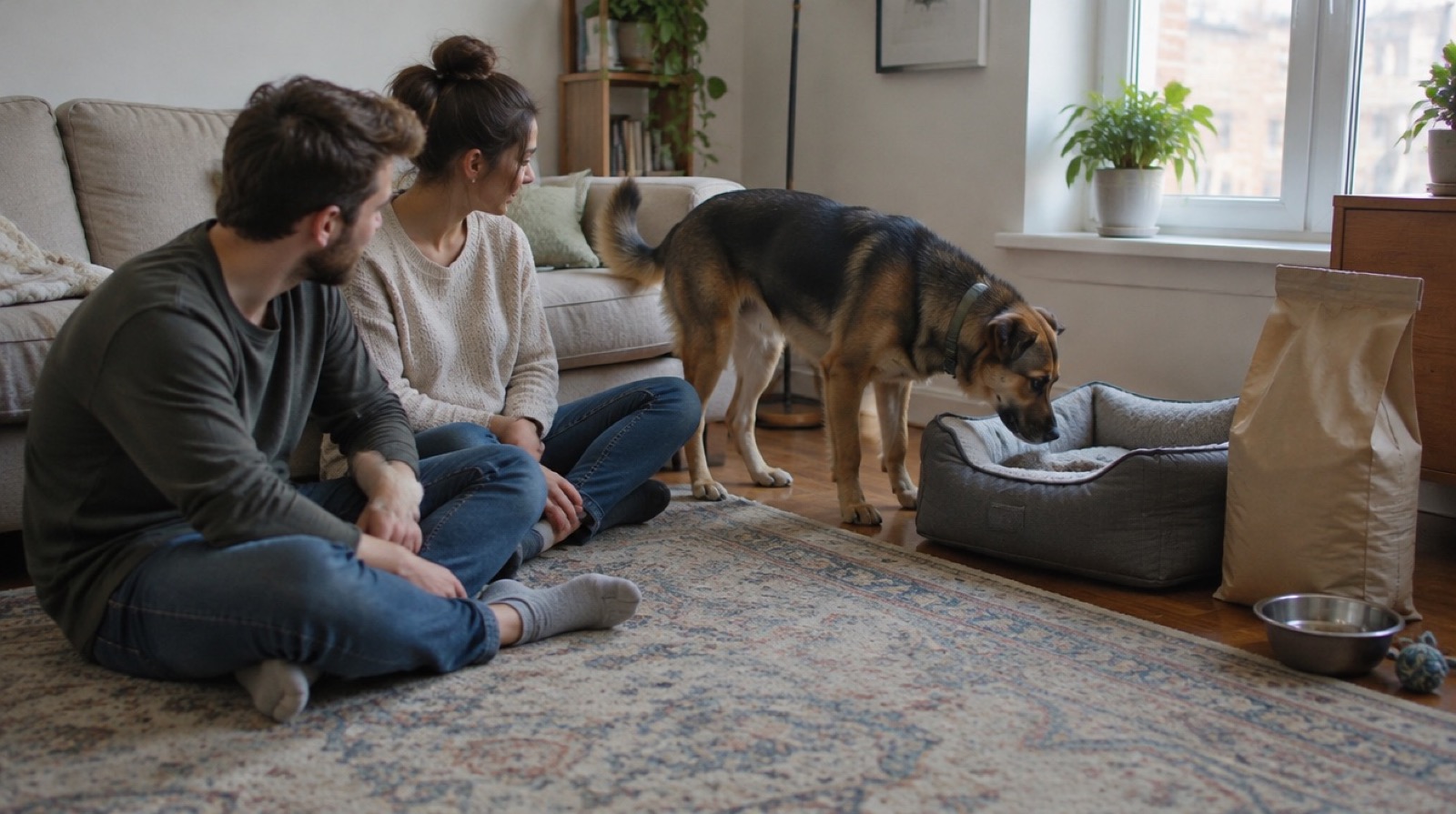
Yes, most dogs adjust, given time and a well-matched home. Humane World for Animals says it can take days, months or longer for a dog to settle into a new home, especially one that has lived in several homes or shelters. The Humane Society of North Texas describes a 3-3-3 guideline: the first 3 days of decompression, 3 weeks of learning routines and building trust, and 3 months before many dogs settle and show their personality, with some faster and some slower. Early hiding, sleeping more, eating less and house-training accidents are common. You help most by choosing the right adopter, passing on the dog's food and routine, and being honest about its needs.
LocalPetFinder is a directory, not a shelter or rescue. Shelter rules and fees change: each organization's own page has the current ones. The facts in this guide were checked against the cited pages on November 26, 2026.
Rehome your dog on LocalPetFinder, free
List your dog at no cost. They stay home until the right family is found, adopters message you through LocalPetFinder without seeing your email, and you choose who adopts. A person reviews every listing before it goes live.
If you are rehoming a dog, or have just done it, this question can keep you up at night. This page answers it with what shelters see in the dogs they place: the stages most dogs go through, the behaviors that are normal and the ones that are not, and the things a departing owner can do to make the move easier. It uses advice from the ASPCA, Humane World for Animals, Best Friends Animal Society and the Humane Society of North Texas.
What shelters say about how dogs adjust
Change is hard on dogs even when it is good. Best Friends Animal Society says "any change, even a positive thing like moving to a loving home, is stressful for animals," and that how long a dog takes to get used to a new home depends on the individual dog: some adapt faster than others. Humane World for Animals says it can take days, months or longer, especially for a dog that has lived in multiple homes or shelters.
That last point is a reason direct rehoming can be easier on a dog than a shelter stay. A dog that goes straight from your home to the next one makes one move, not two. Humane World for Animals says your home "is usually the best place for your pet while you search for an adopter," and it suggests asking family and friends first because "your pet may be more comfortable with a familiar person."
The 3-3-3 guideline: days, weeks, months
The Humane Society of North Texas describes adjustment with the 3-3-3 rule, a framework it calls widely recognized and "a helpful guideline, not a guarantee": some dogs settle within days, and others need several months. Age, past living conditions, medical history, breed tendencies, personality and earlier training all play a part, it says.
| Stage | What many dogs do | What helps |
|---|---|---|
| First 3 days | Decompress: hide or seek quiet spots, sleep more, eat or drink less, seem withdrawn or wary of people | A calm, quiet home, regular meals and bathroom breaks, a comfortable place to rest, no big gatherings or busy outings |
| First 3 weeks | Explore with more confidence, play with toys, learn the household routine, respond to training, bond with the family | Meals and walks at the same times each day, positive reinforcement, gradual and supervised introductions to other pets |
| First 3 months | Settle into the routine, feel secure, show their true personality; may become more playful, affectionate and confident with visitors | Continued socialization and training classes if needed, patience and consistency |
From the Humane Society of North Texas. It stresses there is no perfect timeline.
What is normal in the first days
An adopter may call you worried in the first week. These behaviors are on the ASPCA's list of what new adopters often see in the first few days: house-training accidents; pacing, panting or whining; drinking a lot of water; eating very little or not at all; barking at noises outside; little interest in people, other animals or toys; jumping on counters or furniture; and following the new owner from room to room. The ASPCA says behaviors like barking and trouble settling should ease after several days of routine.
The Humane Society of North Texas adds that even house-trained dogs can have accidents while adjusting, that many new dogs sleep more than expected, and that following a person everywhere often reflects a growing bond rather than separation anxiety.
When the new owner should call a vet
A short dip in appetite is common. The Humane Society of North Texas says that if a dog refuses food for an extended period or shows signs of illness, the owner should contact a veterinarian. Best Friends also notes that stress, travel and transport can aggravate underlying disease, and Humane World for Animals suggests taking a new dog to the vet within a week.
Does my dog miss me? Does it feel abandoned?
Shelters do not claim to know what a dog remembers or feels about a former owner. What shelters do describe is behavior: a rehomed dog may be unsettled, quiet or clingy at first, then gradually relax as it learns a new routine and comes to trust new people. The ASPCA explains the withdrawn first days this way: for a new dog, "everything is new, likely confusing and could feel scary."
Two things are in your control. First, the match: a home that fits the dog's energy, health and history gives it a better chance to settle. Second, continuity: the same food, a familiar bed or toy, and a written note of its routine let the new home look familiar in small ways.
What you can do before handover
Most of what helps a rehomed dog happens before it leaves your door. Share this list with the adopter.
- Pass on the food. Humane World for Animals tells new owners to keep the diet consistent and switch gradually by mixing the old food with the new. Send a small supply and the brand name.
- Write down the routine and history. Best Friends suggests writing down as much as you can about the dog's likes and dislikes, what it eats now, the treats and toys it prefers, and how it relates to other animals.
- Send familiar things. Best Friends suggests handing over any special food, bowls, toys and bedding with the records.
- Plan a quiet arrival. Humane World for Animals suggests the dog arrive when the new owner can be home for a few days, and that the first week or more stay quiet and consistent. The ASPCA suggests not leaving a new dog home alone for the first 48 hours and offering a covered crate or quiet corner as a safe space.
- Hold off on visitors and grooming. The ASPCA says to wait to have friends meet the dog until a bond forms, and to wait on nail trims and baths.
- Introduce other pets slowly. Best Friends says new dogs should meet on leash in neutral territory, one dog at a time, and be kept apart at feeding time during the transition.
Rehoming your dog directly through LocalPetFinder
Most of the list above is easier when you hand your dog over yourself. With a free LocalPetFinder listing, your dog waits at home until you choose a family, so it moves once, and you meet the new people and walk them through its routine in person. Their messages come to you through the site, your email and phone number stay private, and the decision is yours.
- Put the routine in the description. Feeding times, walks, where your dog sleeps and how it greets strangers help the right family see a fit.
- Ask about their days. On the private conversation page, ask when someone will be home and whether they can keep the first week quiet.
- Meet before you decide. Watch how your dog reacts to them, and how they react to your dog.
- Pack the familiar things. Hand over the food, bed, toys and written notes on the day.
- Agree on updates in writing before the handover, then mark your dog adopted with the link in our emails. Start a free listing.
Staying in touch, and if it does not work out
Whether you hear from the adopter is something to agree on before handover, not after. Best Friends Animal Society says an adoption contract "can be a safety net for both you and the adopter," signed in two copies, one for each of you. That contract is the natural place to write down whether the adopter will send updates and whether they will contact you first if they ever cannot keep the dog. Humane World for Animals notes that some shelters and rescues already write a return clause into their own contracts.
If a placement fails, ask the adopter to call you before they do anything else, and if you cannot take the dog back, use what you learned to find a better-matched home. Our guide to handover day covers the contract and the first weeks, and how to screen adopters helps you get the match right the first time.
Local dog surrender and rehoming guides
Each city guide compares how that city's shelters take in owned dogs, what they charge, and the help that can let you keep your dog.
Frequently asked questions
Tap a question to expand
Will my dog be okay after being rehomed?▼
How long does it take a rehomed dog to adjust?▼
Do dogs miss their previous owners?▼
Is it normal for a rehomed dog not to eat?▼
Should I visit my dog after rehoming?▼
What if the new home does not work out?▼
How does rehoming my dog directly help it settle?▼
More rehoming help
Guides for your situation
Why you are rehoming changes what to do first. Pick the guide that matches your situation, or start with the decision guide if you are still weighing it.
State rehoming guides
What the big shelters in each state ask at surrender, the help that may let you keep your pet, and the state law on giving up an animal.
Breed-specific rehoming guides
Rehoming a Husky is a different job than rehoming a Chihuahua. These guides cover the breed rescues worth contacting first and what adopters of each breed look for.