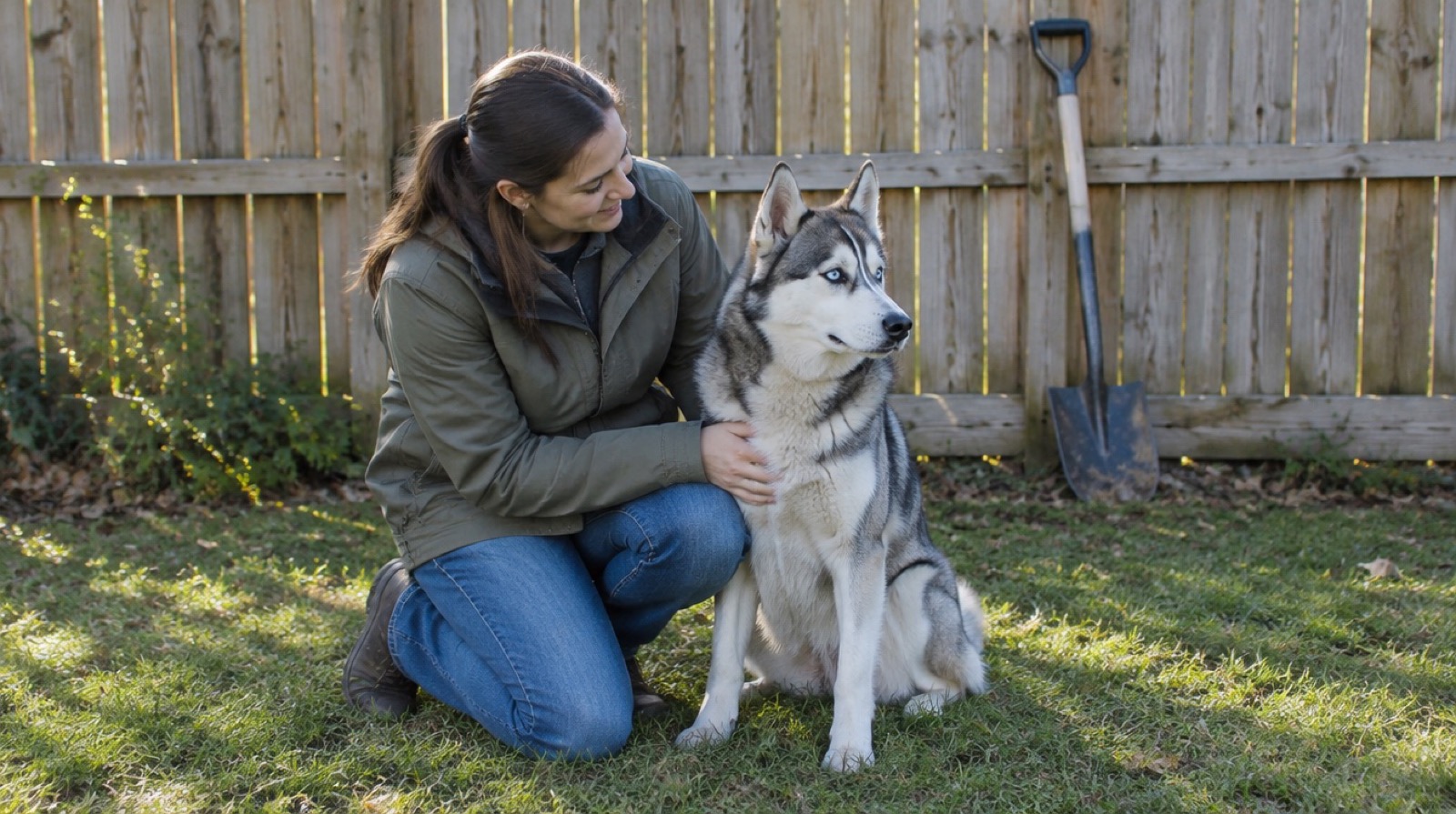
The short answer
The Siberian Husky Club of America says many Siberians land in rescue over training or behavior problems that could have been solved, and that a Siberian-specific rescue can often help you keep the dog. If you must rehome, it advises contacting a reputable rescue rather than placing a classified ad, being honest (for example, that the dog climbs fences), and being ready to foster your own dog, because most rescues are full and may not take owner-surrendered dogs but can list yours and pre-screen adopters. Any adopter must be able to keep a Husky confined or under control at all times.
LocalPetFinder is a directory, not a shelter or rescue. Shelter rules and fees change: each organization's own page has the current ones. The facts in this guide were checked against the cited pages on November 26, 2026.
Rehome your dog on LocalPetFinder, free
List your dog at no cost. They stay home until the right family is found, adopters message you through LocalPetFinder without seeing your email, and you choose who adopts. A person reviews every listing before it goes live.
This guide is for owners of Siberian Huskies and Husky mixes in the US. It follows the Siberian Husky Club of America's guidance on surrendering a Siberian, explains how its rescue trust vets rescues, and covers what to look for in an adopter. For the general steps, see how to rehome a dog.
Why Huskies end up needing new homes
The Siberian Husky Club of America is unusually frank about its own breed. Its page for would-be owners says Siberians are gregarious and need the company of other dogs or people at all times, are friendly with strangers rather than being watchdogs, shed their coats at least once a year, and have a natural habit of digging holes in yards. The trait it calls most dangerous is their tremendous desire to run; a Siberian, it says, should be kept confined or under control at all times for its own protection.
A home where everyone works all day, or a yard with a gap under the fence, works against every one of those traits. The club says many Siberians end up in rescue or shelters because of training or behavior problems that may have been easily solved with the right tools.
Before you give up your Husky
The club's first piece of advice is to ask for help. People in Siberian-specific rescue understand the breed and have probably seen your dog's problems before, it says; they can suggest training approaches, and some may visit to evaluate the dog's behavior. It also suggests training classes or a professional trainer, with the warning that any behavior change takes effort and consistency from the owner.
If you bought your Husky from a breeder, contact the breeder too; the club lists that as a step before turning to rescue. Humane World for Animals adds that some adoption contracts require a pet's return, and that the organization or breeder may help you find a new home.
Working with a Siberian rescue
When rehoming is the only option, the club says contacting a reputable rescue is a better idea than an ad in the classifieds or on a craigslist-type site. With an ad, it warns, you may find a perfect home, or someone posing as a responsible owner who buys the dog to resell it a few days later.
Two of its tips change how you plan:
- Be honest. If your Siberian climbs fences or is afraid of children, tell the rescue so it can find the right home.
- Be prepared to foster your own dog. Most rescues are already full of Siberians in foster care and may not take owner-surrendered dogs at all. What they can do is feature your dog on their website and social media and pre-screen adopters. Keeping the dog until the right home is found eases the rescue's costs and, the club says, raises your odds of a good match.
Where to find a vetted rescue
The club points owners to the SHCA Trust's list of approved rescues. Every rescue on it has been vetted by the Trust board and has signed a Code of Conduct. The list is organized by state; confirm on each group's own site that it is active and taking owner surrenders. If none is near you, ask your local municipal shelter which Siberian groups it works with.
Husky rescue resources
Siberian Husky Club of America: Surrendering a Siberian
The club's guidance for owners: ask a Siberian rescue for training help first, contact your breeder, then work with a reputable rescue and be ready to foster your own dog while it is listed.
SHCA Trust: approved rescue list
Siberian Husky rescues approved by the SHCA Trust board, each of which has signed its Code of Conduct. Listed by state. Confirm on each group's own site that it is active, and ask whether it is taking owner surrenders or offering courtesy listings.
Where a LocalPetFinder listing fits for a Husky
The Siberian Husky Club of America's advice comes first: ask a Siberian rescue for help, and be ready to foster your own dog. If the rescue can only feature your Husky while it lives with you, a free LocalPetFinder listing can run alongside. It does not replace the screening the club calls for. A person reviews each listing before it shows, but you still interview every adopter and make the choice.
- Tell the escape story. If your Husky climbs fences, digs under them or slips through doors, say so plainly; it rules out homes that cannot keep the dog confined.
- Spell out the company it needs. Say whether your dog lives with other dogs and how it copes alone, since the club says Siberians need company at all times.
- Mention the coat and the digging. One honest line about shedding and holes in the yard saves a wasted meeting.
- Screen against resellers. The club warns that some buyers resell a dog within days, so call references and meet in person, as our screening guide explains.
- Start a free listing, or read how rehoming on LocalPetFinder works first.
Screening an adopter for a Husky
Use the breed club's own warnings as your interview. Ask how the adopter will keep the dog confined (fence height, gaps, gates, doors), how many hours it will be alone, and whether there is another dog or someone home for company. Ask how they feel about heavy shedding and digging. Tell them exactly how your dog has escaped before, if it has, so they can fix it before day one.
Then follow the general screening steps: a phone conversation first, an in-person meeting, references you actually call, and a written agreement. Our guide to screening adopters has the questions, and rehoming a pet safely covers scams. We do not suggest a rehoming fee amount; the club's warning about resellers is a reason to screen hard, whatever you charge.
If no home or rescue spot comes through
Book a surrender with the shelter that serves your address; our surrender guide explains how intake works, and the Texas rehoming guide covers the state's big shelters. Never let a Husky loose to fend for itself. In Texas, Penal Code 42.092 makes unreasonable abandonment of an animal in your custody a Class A misdemeanor.
Local dog surrender and rehoming guides
Each city guide compares how that city's shelters take in owned dogs, what they charge, and the help that can let you keep your dog.
Frequently asked questions
Tap a question to expand
Will a Husky rescue take my dog?▼
Should I post my Husky in the classifieds?▼
My Husky is an escape artist. Is rehoming still possible?▼
Can a Husky live alone with someone who works all day?▼
Should I charge a rehoming fee for my Husky?▼
How long does it take to rehome a Husky?▼
Is a LocalPetFinder listing the same as the classified ad the Husky club warns against?▼
More rehoming help
Guides for your situation
Why you are rehoming changes what to do first. Pick the guide that matches your situation, or start with the decision guide if you are still weighing it.
State rehoming guides
What the big shelters in each state ask at surrender, the help that may let you keep your pet, and the state law on giving up an animal.
Breed-specific rehoming guides
Rehoming a Husky is a different job than rehoming a Chihuahua. These guides cover the breed rescues worth contacting first and what adopters of each breed look for.